What does a session consist of?
Each session lasts 60 or 80 minutes and is entirely one-on-one. We’ll focus on hands-on techniques like deep tissue massage and/or dry needling. This type of treatment is often missing in many athletes’ care and can be hard to find from a thorough, knowledgeable, and effective therapist. Dry needling and deep tissue treatments involve a range of techniques, and each therapist has their own approach. Many of my patients have previously received these treatments with minimal to no success, which is why I take a different, more effective approach, specifically geared for the athletic population.
We will also review the most effective exercises and self-care strategies to accelerate your progress, prevent future injuries, and get you back to doing what you love as quickly as possible. This includes flexibility and strengthening exercises, postural correction, self-massage/foam rolling techniques, and injury prevention tips, specific to your sport and individual goals. I emphasize patient education, thus helping you better understand your body and how to optimize your long-term health and performance.
Treatment Descriptions
Dry Needling
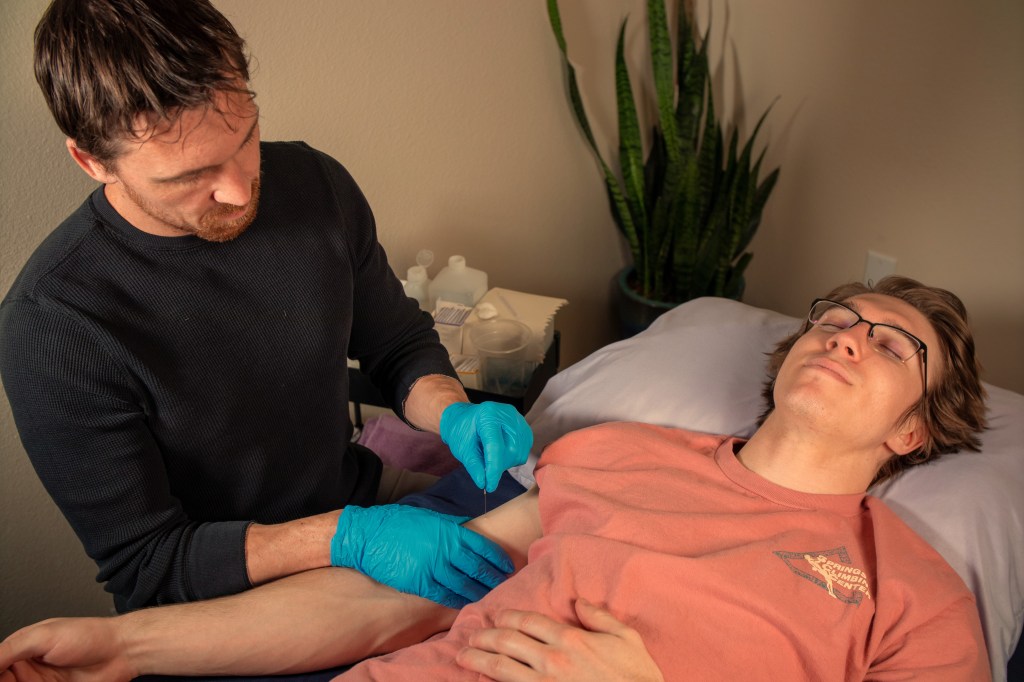
Dry needling is one of the most common interventions I use because of its effectiveness. It is a very powerful tool to restore muscle health, flexibility, and strength. Dry needling involves using a thin, solid needle and going into trigger points and hypertonic (tight) areas of muscle. The insertion into the trigger point will cause a muscle twitch (quick muscle contraction) and resets the area of muscle dysfunction back to healthy, functional muscle tissue.
Deep Tissue/Myofascial Release
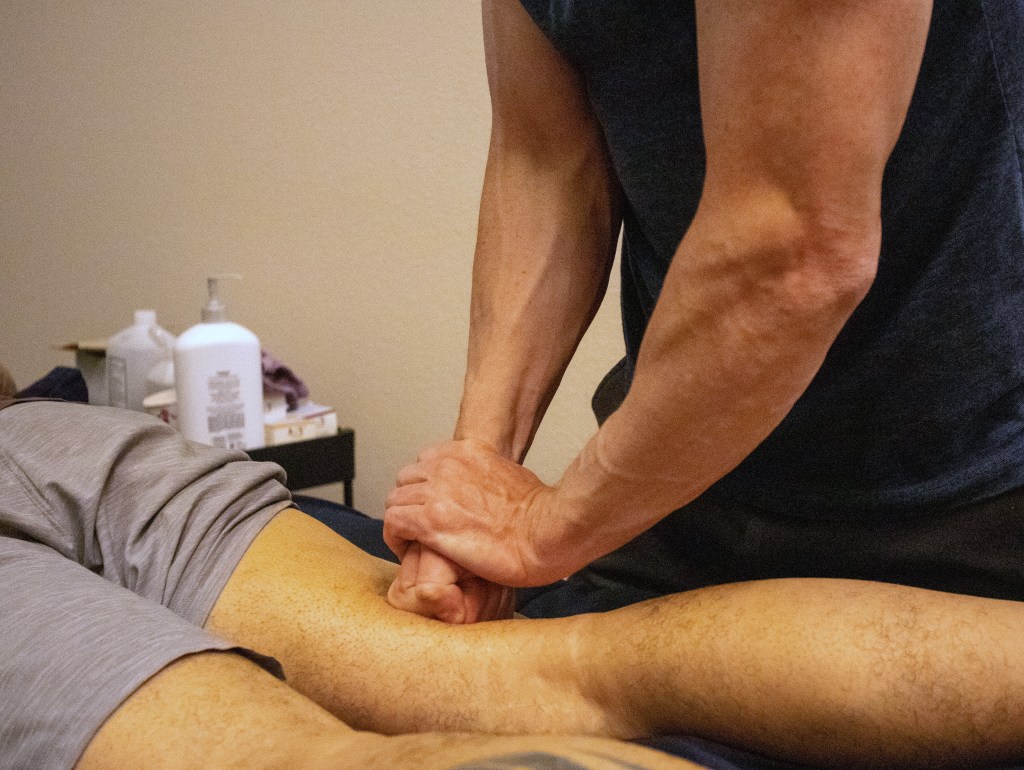
I often use deep tissue work to reduce muscle tension and tone, which helps restore pain-free movement and improve overall function. Focusing on muscle tissue is a key aspect of improving the musculoskeletal system.
Therapeutic Exercise
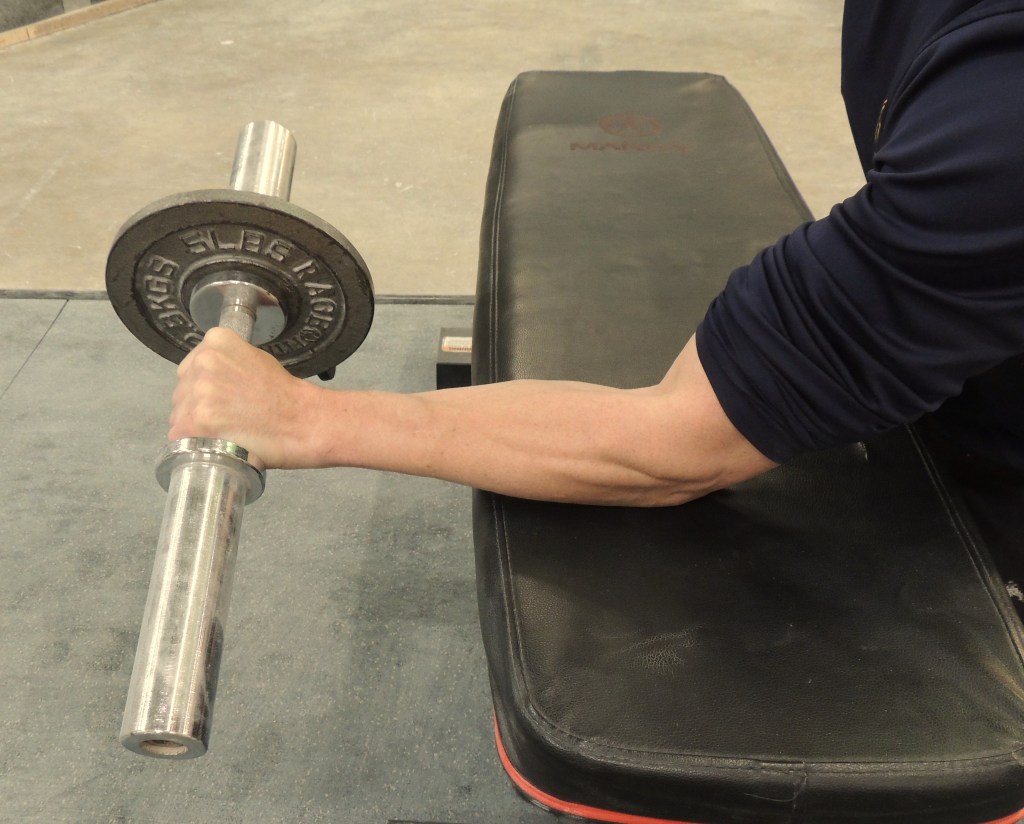
This includes stretching of tight muscles, strengthening of weak muscles, and retraining of muscles that are not contracting like they should. This is a very important aspect of treatment in that this will help to return the muscles to peak performance and aid in injury/re-injury prevention.
Sports Specific Training
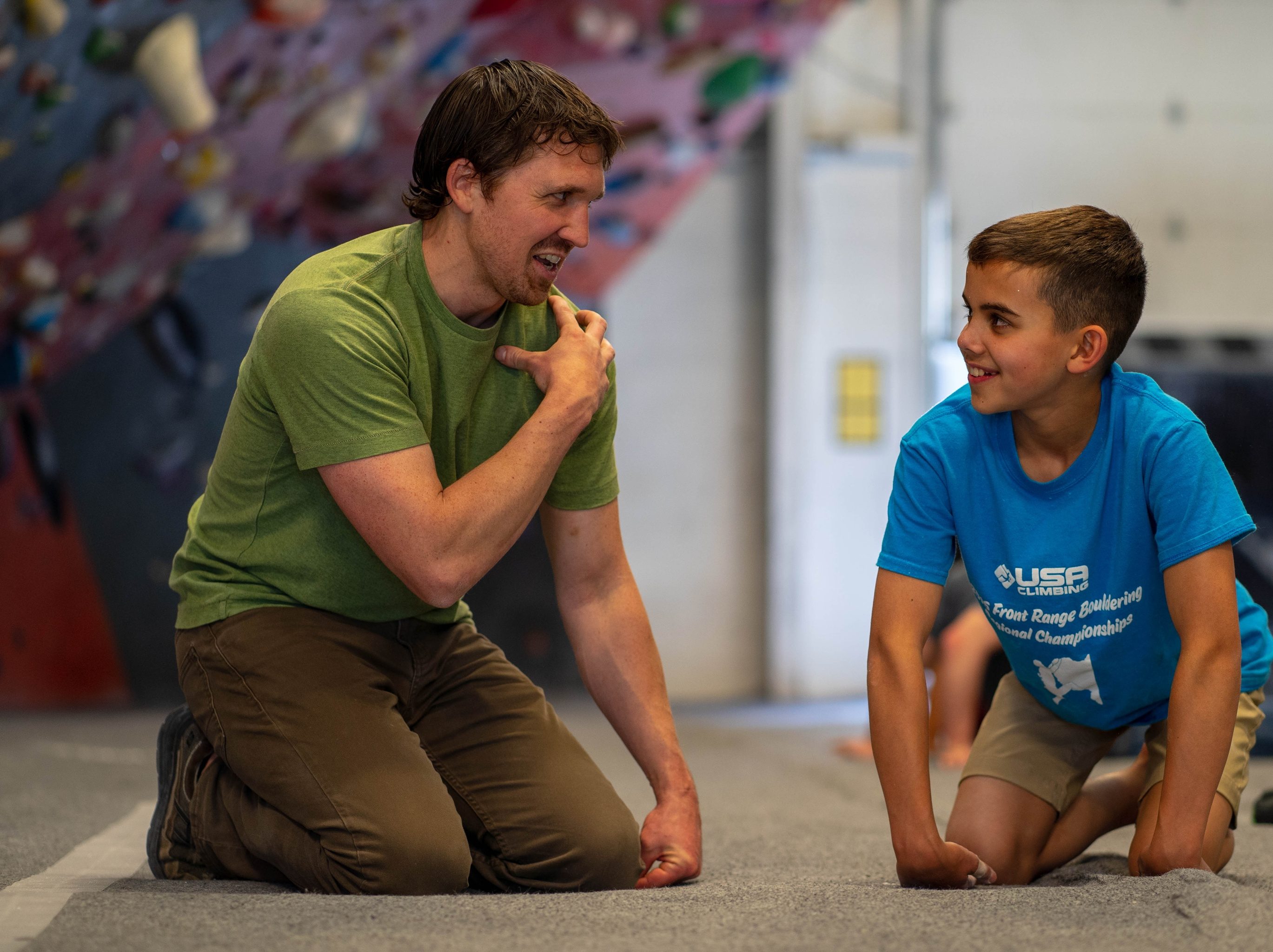
While techniques like needling, massage, stretching, and strengthening are essential, applying proper movement patterns is what maximizes their benefits during activity. Sports specific training ensures that your muscles’ newfound tone, flexibility, and strength, along with improved posture, are used effectively to optimize performance and reduce the risk of injury.
Posture Education
Proper posture is essential for optimal body function and performance. Poor posture can lead to certain muscles becoming tight while others are overstretched, impairing their ability to function effectively. These imbalances can also put stress on joints, which may lead to pain, injury, and other permanent changes. Increasing awareness of your body position is key to recognizing and correcting poor posture, improving both movement and overall health.
Injury Prevention and Self Treatment
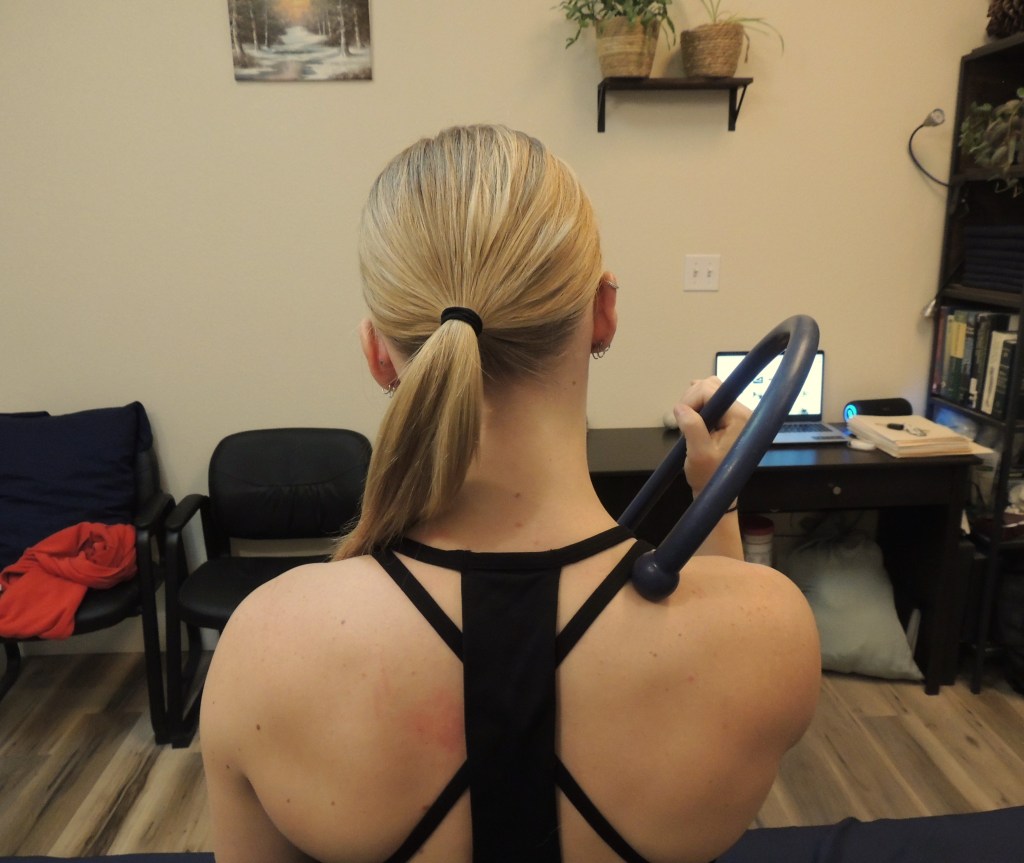
Patient education is a crucial part of Physical Therapy. Understanding and practicing proper warm-up and cool-down techniques, self-massage, therapeutic exercise, posture correction, and sports training are essential for successful rehabilitation. Equally important is the timing of these self-care interventions – before, during, and after working out or throughout the day. These habits will help maintain the progress we make in our sessions.
 Mountain Athletes Physical Therapy